


Dental Health Blog | Dental Implants in Kingston
Teeth-In-A-Day in Kingston: Who May Be a Good Candidate?
August 7, 2026 / Dentistry
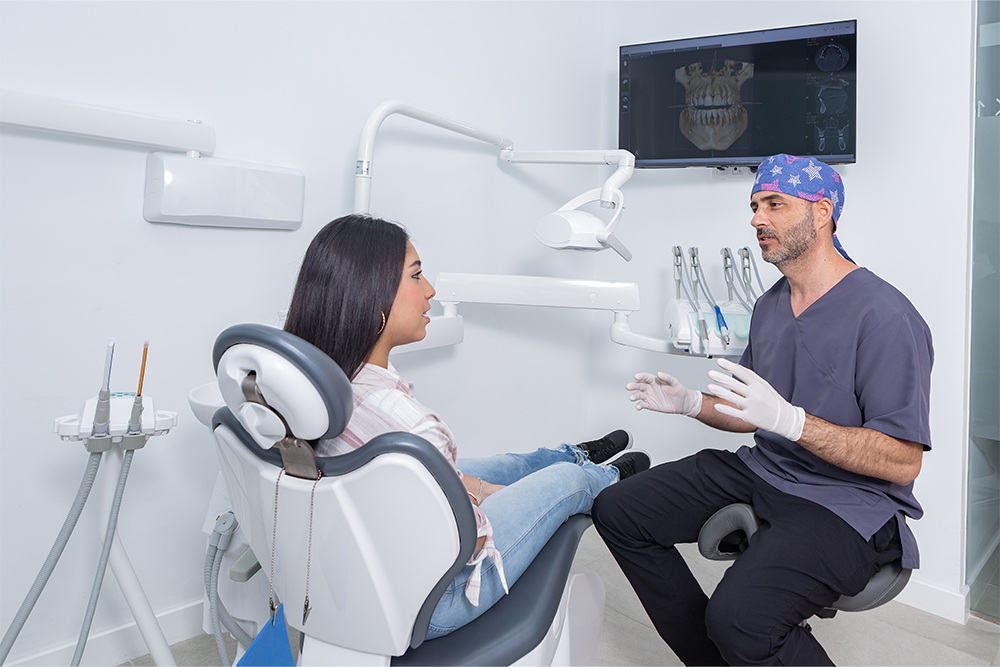
Some people with multiple missing, damaged, or failing teeth may be candidates for Teeth-In-A-Day. However, the treatment isn’t automatically suitable for everyone experiencing extensive tooth loss. A dental assessment is needed to evaluate your remaining teeth, gums, jawbone, overall health, and treatment goals before a recommendation can be made.
If you’re considering Teeth-In-A-Day in Kingston, a consultation can help you understand what the treatment involves and whether it may fit your needs. Imaging and a detailed examination also give the dentist important information that cannot be determined from symptoms or appearance alone.
What Is Teeth-In-A-Day?
Teeth-In-A-Day is a full-arch treatment approach that uses dental implants to support a fixed set of replacement teeth. Rather than replacing every missing tooth with a separate implant, strategically positioned implants support a complete upper or lower arch.
Depending on the treatment plan and clinical findings, temporary teeth may be attached around the time the implants are placed. The word “day” generally refers to this immediate temporary restoration stage. It doesn’t mean the entire implant process, including healing and placement of the final teeth, is completed in one appointment.
The implants still need time to integrate with the jawbone. Follow-up visits are also required to monitor healing and determine when the next stage of treatment can begin. Since every mouth is different, the sequence and timing must be planned individually.
Patients can learn more about Teeth-In-A-Day treatment before discussing their possible candidacy with a dentist.
When Might Teeth-In-A-Day Be Discussed?
A dentist may discuss Teeth-In-A-Day when a person needs to replace most or all the teeth in one arch. This could include someone who already has multiple missing teeth or whose remaining teeth have significant damage.
The treatment may be worth discussing if:
- Several teeth can no longer be predictably restored
- Advanced decay or damage affects much of an arch
- Existing dental work is repeatedly failing
- A removable denture is loose, uncomfortable, or difficult to manage
- Tooth loss is affecting eating, speaking, or daily confidence
- The patient wants to explore fixed implant-supported options
Having one of these concerns doesn’t confirm that Teeth-In-A-Day is appropriate. It simply provides a reason to ask about the treatment and compare it with other possible approaches.
The condition of the remaining teeth matters as well. A dentist won’t necessarily recommend removing teeth that can still be treated simply to make someone fit a particular procedure. The goal of the assessment is to identify an option that suits the person’s oral health needs, rather than beginning with a predetermined treatment.
Candidate Factors a Dentist May Review
Determining whether someone may be a Teeth-In-A-Day candidate involves more than counting missing teeth. The dentist needs to look at the mouth as a complete system and consider how different clinical and personal factors may affect treatment.
The number and condition of the remaining teeth are a major part of this evaluation. Teeth-In-A-Day is usually discussed in the context of replacing a full arch, not one isolated missing tooth. The dentist will examine any teeth that remain and determine whether they appear healthy, treatable, or too compromised to support long-term oral health.
If several teeth can still be restored, another treatment plan may preserve more of the natural smile. If most teeth in an arch are missing or have a poor outlook, full-arch implant-supported teeth may be considered.
The dentist may also examine how the upper and lower teeth meet. Bite position, jaw movement, available space, and the location of missing teeth can influence the design of an implant-supported restoration. Habits such as clenching or grinding may be discussed because they can place additional pressure on teeth, implants, and restorations.
Your personal goals matter too. One patient may be struggling with an uncomfortable denture, while another may have several failing teeth and want to understand full-arch replacement. Explaining what concerns you most helps the dentist discuss options that fit your needs and clarify what may be realistic.
Health, Bone, and Gum Considerations
Dental implants depend on the jawbone for support, making bone quantity and quality important parts of the assessment. Dental imaging allows the dentist to examine areas that cannot be fully evaluated through a visual examination alone.
Bone loss doesn’t automatically rule out implant treatment. Its location and extent matter, along with the planned implant positions. In some cases, the available bone may still support a carefully planned full-arch approach. In others, additional procedures or a different treatment option may need to be discussed.
Healthy gums are also important. Active gum disease, inflammation, or oral infection may need to be addressed before implant treatment can move forward. A history of gum disease doesn’t necessarily prevent someone from asking about Teeth-In-A-Day, but the current condition of the gums needs to be carefully evaluated.
Overall health also forms part of the conversation. Medical conditions, medications, smoking or vaping, previous surgeries, and healing history may affect treatment planning. Sharing complete health information helps the dental team identify relevant considerations and assess whether implant-supported treatment may be appropriate.
How a Consultation Can Clarify Your Options
A consultation brings the different parts of Teeth-In-A-Day candidacy together. The dentist can examine your teeth and gums, review your health history, take appropriate imaging, and discuss what you want from treatment.
Imaging helps show the amount and location of available jawbone, along with structures that need to be considered during implant planning. The dentist may also assess your bite, remaining teeth, gum health, and the space available for an implant-supported restoration.
This information can help determine whether Teeth-In-A-Day may be appropriate or whether another option deserves consideration. Depending on the findings, alternatives could include treating and preserving some natural teeth, using individual dental implants, or considering another form of tooth replacement.
The consultation should also clarify that receiving temporary teeth near the time of implant placement doesn’t eliminate the healing process. Follow-up care is needed to monitor the implants and surrounding tissues. The final restoration is planned according to healing and the details of the individual case.
If you’re exploring dental implants in Kingston, an assessment provides a more useful answer than relying on a general online checklist. Two people with similar concerns may receive different recommendations because their oral health, bone support, medical history, and goals aren’t identical.
Questions to Ask About Teeth-In-A-Day Candidacy
Preparing a few questions can help you better understand the dentist’s recommendations. Consider asking:
- What makes someone a possible candidate for Teeth-In-A-Day?
- What does my imaging show about my jawbone?
- Are any of my natural teeth still suitable for treatment?
- Do I have gum disease or another oral health concern that needs attention first?
- How might my health history or medications affect treatment planning?
- What alternatives should I compare with Teeth-In-A-Day?
- What would the temporary and final stages involve?
- What follow-up care could be required?
- How would I care for implant-supported teeth at home?
- What factors could change the expected treatment plan?
Clear answers can help you compare your options without feeling pressured to decide immediately. You should understand why a treatment is being recommended, what its limitations are, and what information is still needed before moving forward.
Teeth-In-A-Day Candidate FAQs
Do I need all my teeth removed to ask about Teeth-In-A-Day?
No. You can ask about Teeth-In-A-Day even if you still have natural teeth. The dentist will examine those teeth and determine whether they can be treated or whether some have a poor outlook.
Teeth that remain healthy or restorable aren’t automatically removed simply because a patient is interested in full-arch implants. Your treatment plan should reflect the actual condition of your mouth and the value of preserving natural teeth where appropriate.
Can denture wearers ask about Teeth-In-A-Day?
Yes. Someone who currently wears a full or partial denture can ask whether an implant-supported option may be suitable. Common reasons for starting the conversation include looseness, discomfort, movement while speaking or eating, or difficulty managing a removable appliance.
Previous denture use doesn’t confirm candidacy. The dentist still needs to assess the gums, jawbone, bite, overall health, and available space before discussing suitable options.
What if I have bone loss or gum disease?
Bone loss or a history of gum disease doesn’t necessarily provide a simple yes-or-no answer. The dentist needs to determine how much bone is available, where it is located, and whether the gums are currently healthy enough for implant treatment.
Active gum disease or infection may need to be managed first. If bone support is limited, the dentist can explain whether additional treatment may be considered or whether another tooth-replacement approach may better suit the situation.
How does a dentist decide whether Teeth-In-A-Day is appropriate?
The decision is based on findings from a clinical examination, imaging, and a review of the patient’s health history and treatment goals. The dentist considers the condition of the remaining teeth, gum health, bone support, bite, healing factors, and the patient’s ability to maintain the restoration.
No single factor determines candidacy by itself. The final recommendation comes from looking at how these details work together.
Is Teeth-In-A-Day right for every patient with missing teeth?
No. Teeth-In-A-Day is a full-arch treatment and may not be appropriate for someone who is missing only one or two teeth. It may also be unsuitable when certain oral or general health concerns affect treatment or healing.
Other patients may benefit from preserving their remaining teeth or considering a different implant or denture option. A consultation allows the dentist to explain the advantages and limitations of each approach based on the individual case.
Talk to Dental Implants in Kingston About Teeth-In-A-Day
If you have multiple missing or failing teeth, an assessment can help you move from general information to answers based on your own oral health. The team can examine your teeth and gums, review relevant imaging and health information, and discuss which options may be worth considering.
To learn more about Teeth-In-A-Day candidacy, book a consultation with Dental Implants in Kingston. A consultation doesn’t guarantee that a specific treatment will be recommended, but it can give you a clearer understanding of your needs, possible next steps, and available tooth-replacement options.