


Dental Health Blog | Dental Implants in Kingston
What Happens If You Leave a Missing Tooth Untreated?
October 6, 2026 / Dental Implants
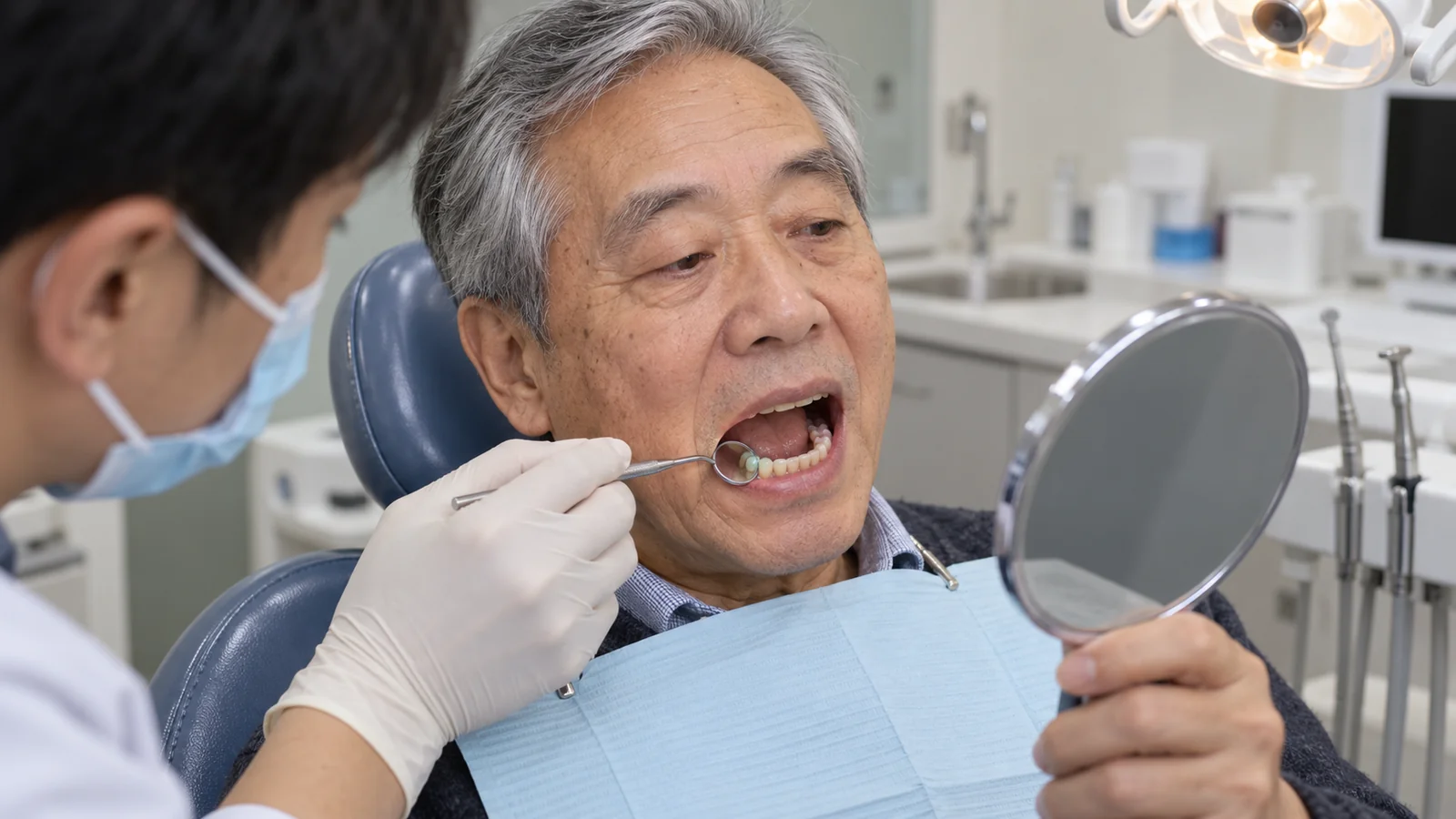
A missing tooth may change how you chew, allow nearby teeth to move or be followed by changes in the supporting bone. Those effects vary with the tooth, your bite and the health of the rest of your mouth. An assessment can help you decide whether to replace the tooth or monitor the gap; an implant is not automatically required.
If you're considering dental implants in Kingston, start with what the missing tooth means for your mouth. The right discussion is about function, health and your priorities, not simply filling every visible space.
Why the Location of the Gap Matters
A missing front tooth can be noticeable when you smile and may affect certain sounds or biting tasks. A missing chewing tooth may be less visible but still change how you manage food.
The effect also depends on which teeth remain. One gap in an otherwise healthy mouth is different from several missing teeth, weakened neighbouring teeth or a replacement that no longer fits well.
Not every extracted tooth needs a replacement. Teeth removed as part of another treatment plan, for example, need to be considered in that context. The dentist should explain the purpose of leaving or closing a space in your particular case.
Ask how the gap relates to the teeth beside it and in the opposite jaw. A photograph of the missing tooth alone doesn't show those relationships.
It is worth describing what you notice rather than assuming the location makes the gap unimportant. “Nobody can see it” tells the dentist about appearance, but not whether chewing has changed.
Possible Changes in Chewing and Comfort
Some people adapt easily to a missing tooth; others find that particular foods are harder to manage. You may chew more on one side, avoid biting in a certain area or notice food collecting near the gap.
The American Dental Association's information on missing teeth explains that tooth loss can affect chewing and speech. The degree of change is individual.
Tell the dentist which foods or tasks have become difficult. “I avoid biting an apple on that side” gives more useful information than simply saying you can still eat.
If a gap is comfortable, that is relevant too. You don't need to invent a problem to ask about your choices. An assessment can consider the current situation and whether monitoring is reasonable.
Pain is a separate concern. New tenderness, swelling or a painful neighbouring tooth should be assessed rather than assumed to be a normal result of having a gap.
Avoid making broad conclusions about digestion or nutrition from one missing tooth. The practical question is whether your mouth is allowing you to eat comfortably and whether anything needs attention.
What May Happen to Nearby Teeth and Bone
Remaining teeth can shift after a tooth is lost, and the bone in the area can change. Neither process follows one predictable timetable for every person.
Movement may affect the shape of the gap or how the teeth meet. You might notice a new food trap or a change in contact between teeth, but some changes are difficult to judge without an examination.
The supporting bone also matters if an implant is being considered. What looks like adequate space above the gum does not establish the amount or shape of bone beneath it.
This is why current records and examination findings are more useful than a general warning that something will happen after a set number of months. Ask the dentist what, if anything, has changed in your mouth.
The reason the tooth was lost matters as well. If gum disease or decay contributed, the health of the remaining teeth deserves attention alongside any replacement discussion.
Don't interpret possible changes as a certainty that the whole bite will collapse. Equally, don't assume that no visible movement means there is nothing to review. The recommendation should follow the findings.
Why Waiting Does Not Settle Future Suitability
Waiting does not automatically make an implant impossible, and a long-standing gap does not automatically remain suitable without further care. The area needs to be assessed as it is now.
The Canadian Dental Association's implant guidance identifies bone, gum health and general health as considerations. In selected situations, additional treatment such as bone grafting may be discussed.
That does not mean every person who waits will need grafting. Nor does it mean grafting can make every situation suitable for an implant.
If an earlier assessment found that an implant wasn't appropriate, bring that information. Ask which finding led to the recommendation and whether it remains relevant today.
You may have delayed replacement because of cost, health, anxiety or competing demands. Explain any practical constraints that still apply. The consultation should help you understand current choices without assuming you are ready to begin treatment.
If you choose to continue waiting, ask what monitoring involves and which changes should prompt another visit. A clear review plan is more useful than an indefinite promise to deal with the gap someday.
Options to Discuss Besides Leaving the Gap
Possible replacement options include an implant-supported tooth, a bridge or a removable appliance. Their suitability depends on the gap and the condition of the mouth.
An implant is placed in the jawbone and supports a replacement tooth. Ask about the surgical and restorative stages, daily cleaning and long-term review. It should be discussed as a treatment with benefits and risks, not as a maintenance-free substitute for a natural tooth.
A bridge replaces a tooth by using support on either side. If natural teeth would be used, ask what preparation they need and how their health affects the recommendation.
A removable appliance can replace one or more teeth and is taken out for cleaning. Discuss how it is supported, how you would handle it and what to expect during everyday use.
Monitoring may be appropriate in some circumstances. If that is the recommendation, ask why and how the gap and neighbouring teeth will be reviewed.
You can explore dental implant information in Kingston before an appointment, but you don't need to choose an implant in advance. Ask the dentist to compare the reasonable options for your specific missing tooth.
A single gap also should not automatically lead to a full-arch treatment conversation. The condition of the other teeth and the scope of the problem need to justify any broader plan.
Questions for a Missing-Tooth Assessment
Begin with the question you actually want answered: “Is leaving this gap causing a problem, and what are my reasonable choices?”
Then ask for the details that help you decide:
- What effect is this missing tooth having on my bite or function?
- Are the neighbouring teeth and gums healthy?
- Have the space or supporting tissues changed?
- Is replacement recommended now, and why?
- What would monitoring involve if I wait?
- How would each option affect nearby teeth and daily cleaning?
- What risks and future maintenance should I understand?
- What does the treatment estimate include?
Tell the dentist what matters most to you. Being able to chew comfortably may be the main goal; for someone else, appearance or avoiding a removable appliance may matter more.
Ask about the whole proposed course of care. An implant consultation, preparatory treatment, placement and the replacement tooth can involve different steps. You should know which are included in an estimate and which remain uncertain.
You can also ask what happens if you decide against the recommended option. Understanding the alternatives and the implications of waiting is part of making an informed choice.
Frequently Asked Questions
No. An implant is one replacement option, and not every gap requires the same approach. A dentist can discuss bridges, removable options or monitoring where appropriate, based on your mouth and priorities.
It can, even if the gap is not visible when you smile. Tell the dentist about foods you avoid, changes in chewing or discomfort. The effect depends on the tooth and the remaining teeth.
Not everyone experiences the same amount or pattern of movement. A dentist can assess the current position of the teeth and explain whether any change affects your options or bite.
Yes. An assessment can review the area as it is now, including bone, gums, available space and neighbouring teeth. Time alone doesn't determine whether an implant or another option is suitable.
A single missing tooth does not by itself justify full-arch replacement. Ask for options that match the actual scope of your dental needs, including the health of the remaining teeth.
Discuss Your Questions With Dental Implants in Kingston
If you're unsure whether to replace a missing tooth, contact Dental Implants in Kingston to discuss an assessment.
Bring your concerns about chewing, appearance or future treatment. The first step is understanding what the gap means for your mouth and what choices are reasonable for you.