



Dental Health Blog | Dental Implants in Kingston
How to Care for Teeth-in-a-Day After Your Final Teeth Are Placed
June 22, 2026 / Teeth in a Day
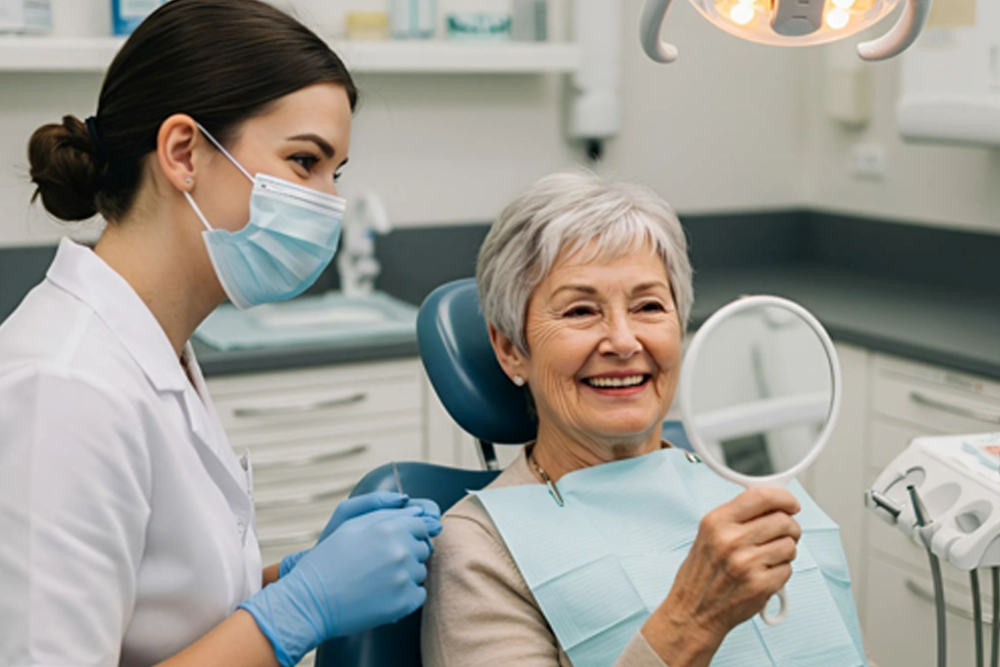
How to Care for Your Final Teeth-in-a-Day Restoration
Receiving your final Teeth-in-a-Day restoration is a significant milestone. After months of planning, treatment, and healing, many patients are excited to enjoy a smile that feels more comfortable and functional. While reaching this stage is an important achievement, it also marks the beginning of long-term care rather than the end of treatment.
Your final implant-supported teeth are designed to restore function and appearance, but they still require daily attention. Unlike natural teeth, they cannot develop cavities. However, the surrounding gums, implants, and supporting bone remain living tissues that benefit from good oral hygiene and regular professional care. Looking after these areas helps support the long-term health of your smile.
The good news is that caring for implant-supported teeth often becomes part of a normal daily routine. Once you understand the habits that protect your restoration and know when to seek professional advice, maintaining your new smile can feel much more manageable.
Why Ongoing Care Still Matters After Teeth-in-a-Day
Many people assume that once their permanent teeth are attached, there is very little maintenance required. In reality, successful long-term outcomes depend on continued home care and regular follow-up appointments.
Although implant-supported teeth do not decay the same way natural teeth do, plaque and bacteria can still collect around the gums and implants. If these areas are not cleaned consistently, irritation or inflammation may develop over time. Maintaining healthy gum tissue is an important part of protecting the implants that support your restoration.
Ongoing care also allows your dental team to monitor how your restoration is functioning. Your bite can change gradually, normal wear occurs over time, and small adjustments may occasionally be recommended. Regular maintenance visits make it possible to identify these concerns before they become larger issues.
Many patients also find that routine appointments provide reassurance. As you become accustomed to eating, speaking, and caring for your implant-supported teeth, it's normal to have questions. Follow-up visits give you the opportunity to discuss any changes you've noticed and receive personalized guidance based on your oral health.
If you're learning more about Teeth-in-a-Day treatment, understanding the long-term commitment involved is just as important as understanding the procedure itself. Knowing what daily care looks like helps create realistic expectations before treatment and supports healthier habits after your final teeth are placed.
Daily Habits That Help Keep Implant-Supported Teeth Clean
Daily cleaning is one of the most important parts of maintaining implant-supported teeth. While your routine may differ slightly depending on your individual restoration, consistency is often more important than complexity.
Brushing at least twice each day with a soft-bristled toothbrush helps remove plaque from the restoration and the surrounding gum tissue. Taking your time and cleaning thoroughly along the gumline helps reach areas where bacteria are more likely to collect.
Many patients are also encouraged to clean underneath or around their restoration using tools recommended by their dental team. Depending on your situation, this may include floss designed for implants, interdental brushes, or a water flosser. These tools help remove food particles and plaque from spaces that a toothbrush alone may not fully reach.
Good daily care also includes paying attention to changes in your mouth. If you notice persistent tenderness, bleeding around the gums, unusual odours, or areas that become increasingly difficult to clean, it's a good idea to mention them during your next appointment or contact your dental team if the concern seems urgent.
Simple habits that can support your daily routine include:
- Brushing thoroughly at least twice a day.
- Cleaning around the implants using any tools recommended by your dental team.
- Replacing worn toothbrushes regularly.
- Following personalized home-care instructions after your final restoration is placed.
- Attending recommended maintenance appointments even if everything feels comfortable.
If you're comparing different dental implant options, understanding the ongoing care involved can be just as valuable as learning about the treatment itself. Implant-supported teeth are designed to function as part of your everyday life, and establishing consistent home-care habits helps support their long-term success while giving you confidence in caring for your smile.
Eating and Lifestyle Habits to Discuss With Your Dental Team
Once your final restoration has been placed, many patients look forward to returning to everyday activities with greater confidence. While implant-supported teeth are designed to provide stability and function, it's still important to follow the guidance provided by your dental team as you adapt to your new smile.
Every patient's recovery and long-term care plan is different. Some people adjust quickly, while others benefit from taking a more gradual approach to certain foods or daily habits. Rather than relying on general advice, it's always best to follow the recommendations that are specific to your treatment and oral health.
As your mouth continues to adapt, your dentist may recommend introducing certain foods gradually or avoiding habits that could place unnecessary stress on your restoration. These recommendations aren't meant to limit your lifestyle permanently. Instead, they're intended to support healing and help protect your implant-supported teeth over the long term.
Lifestyle habits can also influence the health of your implants and surrounding tissues. Maintaining a balanced diet, drinking plenty of water, and avoiding tobacco products where possible all contribute to better oral health. If you grind or clench your teeth, let your dental team know. They may recommend additional strategies to help protect your restoration depending on your individual needs.
If you ever feel uncertain about returning to specific foods or activities, asking your dental team is always the safest approach. Receiving advice based on your own treatment is more valuable than relying on general information found online.
Professional Checkups and Maintenance Visits
Even excellent home care should be combined with regular professional maintenance. Routine appointments allow your dentist to evaluate your implants, monitor your gums, and ensure that your restoration continues functioning comfortably.
During these visits, your dental team may examine the condition of the implants, assess your bite, professionally clean areas that are more difficult to maintain at home, and look for early signs of wear or inflammation. These appointments also provide an opportunity to discuss any concerns that have developed since your previous visit.
Many patients don't notice gradual changes because they happen slowly over time. Regular follow-up care helps identify small concerns before they become more significant. Even if everything feels normal, attending recommended maintenance appointments remains an important part of protecting your long-term oral health.
If you live in Kingston or the surrounding communities, maintaining regular follow-up care with your dental provider helps ensure your implant-supported smile continues to receive appropriate professional attention as your needs change over time.
When to Contact a Dentist About Your Teeth-in-a-Day Smile
Although many patients enjoy comfortable day-to-day function after treatment, there are situations where it's appropriate to contact your dental team rather than waiting until your next scheduled visit.
You should arrange an evaluation if you notice:
- A restoration that suddenly feels loose or unstable.
- Persistent discomfort that does not improve.
- Swelling, bleeding, or irritation around the implants or gums.
- Difficulty chewing that develops unexpectedly.
- Damage such as chips, cracks, or noticeable changes to your restoration.
- Changes in the way your bite feels that continue over several days.
Experiencing one of these concerns doesn't necessarily mean there is a serious problem. However, having the area examined promptly allows your dentist to determine the cause and recommend any care that may be appropriate.
Frequently Asked Questions About Teeth-in-a-Day Care
Do Teeth-in-a-Day teeth need to be brushed?
Yes. Although implant-supported teeth cannot develop cavities, brushing remains an essential part of daily care. Cleaning your restoration and the surrounding gum tissue helps reduce plaque buildup and supports the long-term health of your implants.
Can implant-supported teeth stain or feel different over time?
They can. Depending on the restorative materials used and everyday habits, some surface staining or normal wear may occur over time. Regular home care and professional maintenance help keep your restoration looking and functioning as intended.
What should I do if my final teeth feel loose or uncomfortable?
If your final teeth begin to feel loose, uncomfortable, or different than usual, contact your dentist as soon as practical. A professional assessment can identify the cause and determine whether any adjustments or maintenance are needed.
Talk to Dental Implants in Kingston About Ongoing Care
Looking after your smile doesn't end once your final restoration is in place. Daily cleaning, healthy lifestyle habits, and regular professional maintenance all contribute to supporting the long-term health of your implant-supported teeth.
If you have questions about caring for your restoration, changes you've noticed, or long-term maintenance, contact our Kingston dental implant team. A personalized follow-up appointment can help answer your questions, review your home-care routine, and ensure you're receiving guidance that's appropriate for your individual smile.