


Blog
Implant Specialist: When Treatment Isn't Recommended
December 5, 2025 / Dentistry
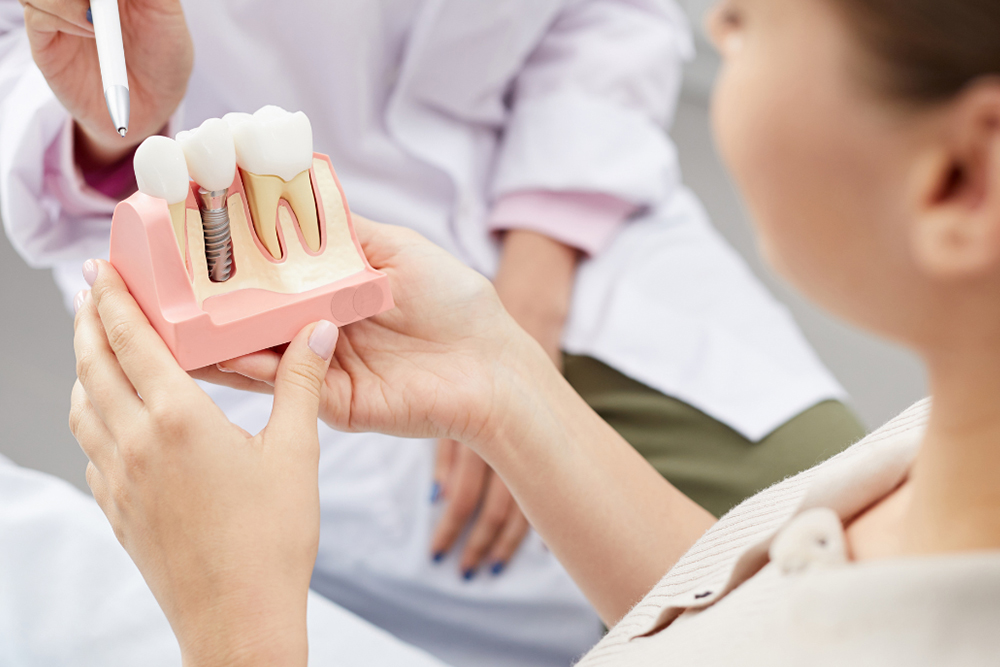
Hearing "no" from an implant specialist can be disappointing and confusing. At Greenwood Park Dentistry in Kingston, we understand how frustrating it feels when you're ready for dental implants but your implant specialist recommends against treatment. However, when an implant specialist declines a case, it's always in your best interest and safety.
Common Reasons an Implant Specialist May Decline Treatment:
• Insufficient bone density or volume
• Uncontrolled medical conditions
• Active infections or gum disease
• Unrealistic patient expectations
• High-risk anatomical factors
According to the Journal of Oral Implantology (2023), ethical implant specialists decline approximately 15-20% of initial consultations to protect patient safety¹.
Why Would an Implant Specialist Say No?
An experienced implant specialist evaluates many factors beyond just missing teeth. The decision to decline treatment reflects professional responsibility and commitment to patient welfare. When an implant specialist says no, it means the risk of complications outweighs the potential benefits in your current situation.
Medical Conditions That Concern an Implant Specialist
Uncontrolled Diabetes
An implant specialist must consider how diabetes affects healing. Research shows patients with poorly controlled blood sugar have significantly higher implant failure rates (Clinical Oral Implants Research, 2022)².
Uncontrolled diabetes impairs wound healing and increases infection risk. A responsible implant specialist will recommend getting blood sugar levels stable before proceeding.
Active Cancer Treatment
Patients undergoing chemotherapy or radiation therapy face compromised healing capacity. An implant specialist typically recommends waiting until cancer treatment is complete and the oncologist provides clearance.
Bisphosphonate Medications
These medications, used for osteoporosis, can cause serious jawbone complications. An implant specialist must carefully evaluate patients taking bisphosphonates, especially intravenous forms, due to the risk of bone complications.
Bone-Related Limitations for an Implant Specialist
Insufficient Bone Volume
An implant specialist needs adequate bone height, width, and density for successful implant placement. When bone volume is insufficient, implants cannot achieve proper stability.
Why Bone Loss Occurs:
• Long-term tooth loss
• Previous infections or trauma
• Periodontal disease damage
• Natural aging processes
While bone grafting can address some deficiencies, severe bone loss may make grafting unpredictable. An ethical implant specialist won't proceed when success probability is too low.
At Greenwood Park Dentistry in Kingston, our implant specialist uses 3D imaging to identify these issues before recommending treatment.
Oral Health Issues an Implant Specialist Must Address First
Active Periodontal Disease
No responsible implant specialist will place implants in a mouth with active gum disease. The bacteria causing periodontal disease will attack implants just as aggressively as natural teeth. Research indicates implant failure rates increase significantly when placed in patients with untreated periodontal disease³.
Untreated Infections
An implant specialist must ensure all existing infections are resolved before surgery. Placing implants near active infections invites immediate failure and serious complications.
Severe Bruxism (Teeth Grinding)
Heavy teeth grinding creates excessive forces that can cause implant failure. An implant specialist may decline treatment until bruxism is managed with a nightguard or other interventions.
Lifestyle Factors That Concern an Implant Specialist
Active Smoking
Smoking significantly impairs healing and increases implant failure risk. An implant specialist typically requires smoking cessation for at least two weeks before and after surgery. Research shows smokers have 2-3 times higher implant failure rates⁴.
Poor Oral Hygiene
If a patient demonstrates inability or unwillingness to maintain proper oral hygiene, an implant specialist cannot recommend treatment. Implants require meticulous daily care to survive long-term.
When Patient Expectations Don't Match Reality
Sometimes an implant specialist must decline treatment because patient expectations cannot be met. If someone expects perfection that's anatomically impossible, proceeding would guarantee disappointment.
An implant specialist may also say no if a patient refuses to follow necessary protocols like quitting smoking, following dietary restrictions, or attending follow-up appointments.
What Happens After an Implant Specialist Declines Your Case?
Is the Decision Final?
Often, no. Many conditions that cause an implant specialist to decline treatment are temporary or treatable. At Greenwood Park Dentistry in Kingston, we work with patients to address limitations when possible.
Steps to Become a Candidate:
• Treat and stabilize medical conditions
• Complete periodontal therapy
• Undergo bone grafting procedures
• Quit smoking or address substance issues
• Improve oral hygiene habits
Alternative Treatment Options
When an implant specialist cannot recommend implants, alternatives exist like traditional bridges, partial or complete dentures, or mini dental implants in some cases.
Getting a Second Opinion from Another Implant Specialist
Should you seek another opinion if an implant specialist declines your case? Sometimes yes, especially if you want confirmation of the assessment or if treatment was declined without clear explanation.
However, be cautious of an implant specialist who guarantees success despite risk factors or dismisses concerns raised by other specialists.
The Ethics of Saying No
An implant specialist who declines treatment demonstrates professional integrity. According to the Canadian Dental Association's Code of Ethics, dentists must prioritize patient welfare over financial considerations⁵.
When an implant specialist says no, they're protecting you from predictable treatment failure, serious medical complications, and financial loss.
Moving Forward
If an implant specialist at Greenwood Park Dentistry in Kingston has recommended against implant treatment, remember this reflects current circumstances, not permanent limitations. Many patients who initially aren't candidates eventually become excellent candidates after addressing underlying issues.
Contact our Kingston office at 613-546-3456 to discuss your specific situation and explore all available options for restoring your smile.
References
Journal of Oral Implantology. (2023). Ethical case selection in implant dentistry, 49(2), 145-152.
Clinical Oral Implants Research. (2022). Diabetes and implant outcomes, 33(8), 678-685.
International Journal of Periodontics. (2022). Periodontal disease impact on implants, 42(5), 456-463.
Implant Dentistry. (2022). Smoking effects on implant success, 31(6), 567-574.
Canadian Dental Association. (2023). Code of Ethics and Professional Conduct.
This blog post is for informational purposes only and does not constitute medical advice. For personalized treatment recommendations, contact Greenwood Park Dentistry or visit us at 496 Discovery Ave, Suite 501, Kingston, ON.
Archive
February 22, 2026 / DENTISTRY
February 10, 2026 / DENTISTRY
January 26, 2026 / DENTISTRY

January 10, 2026 / DENTISTRY
December 14, 2025 / DENTISTRY
December 5, 2025 / DENTISTRY

November 20, 2025 / DENTISTRY
November 5, 2025 / DENTISTRY

October 27, 2025 / DENTISTRY

October 8, 2025 / DENTISTRY

September 19, 2025 / DENTISTRY
August 6, 2025 / DENTISTRY
July 16, 2025 / DENTISTRY

June 12, 2025 / DENTISTRY
May 16, 2025 / DENTISTRY