


Blog
Dental Implants in Kingston: Restoring Smiles with Confidence
April 22, 2026 / Dentistry

Dental Implants in Kingston
Missing teeth can change more than just your smile. They can affect how you eat, speak, and feel in everyday life. At Greenwood Park Dentistry, your trusted Dentist in Kingston, we offer advanced dental implant solutions designed to restore both function and confidence with long lasting, natural looking results.
Dental implants are widely considered one of the most effective ways to replace missing teeth, providing a stable and permanent solution that closely mimics natural teeth.
What Are Dental Implants?
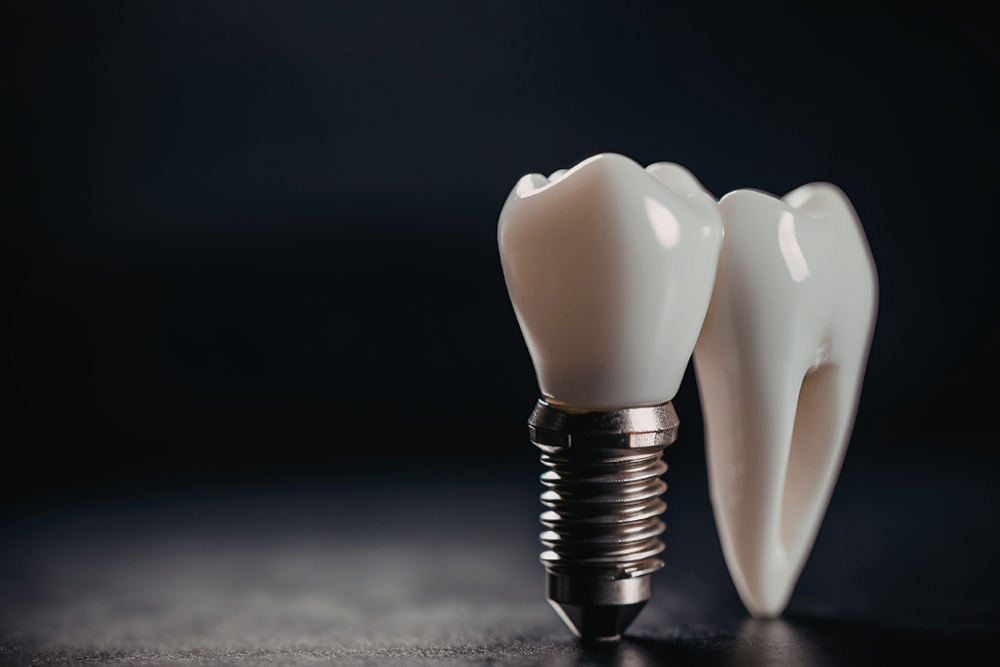
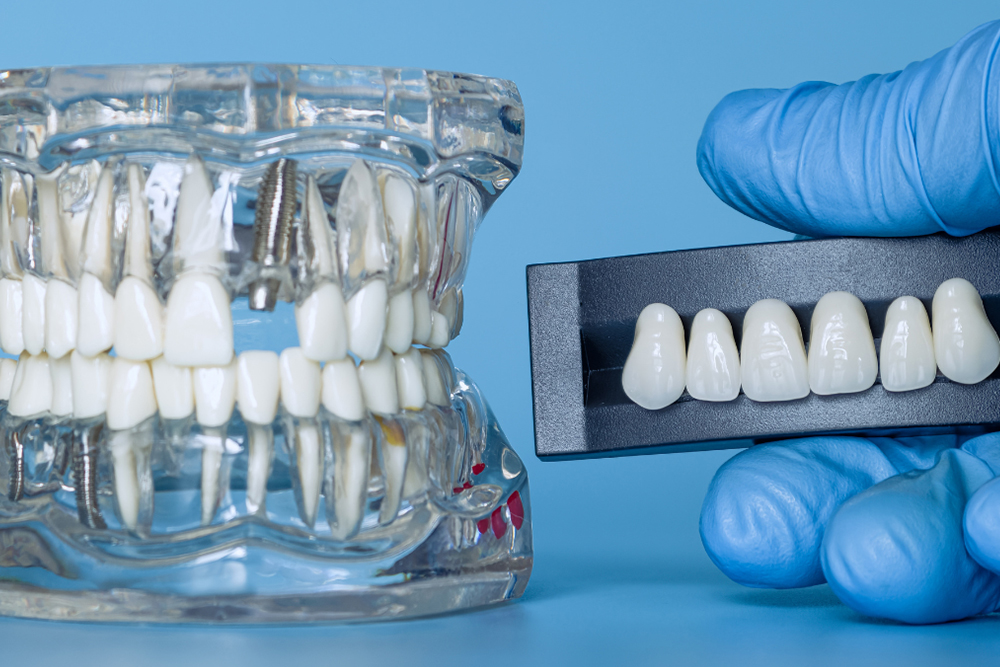
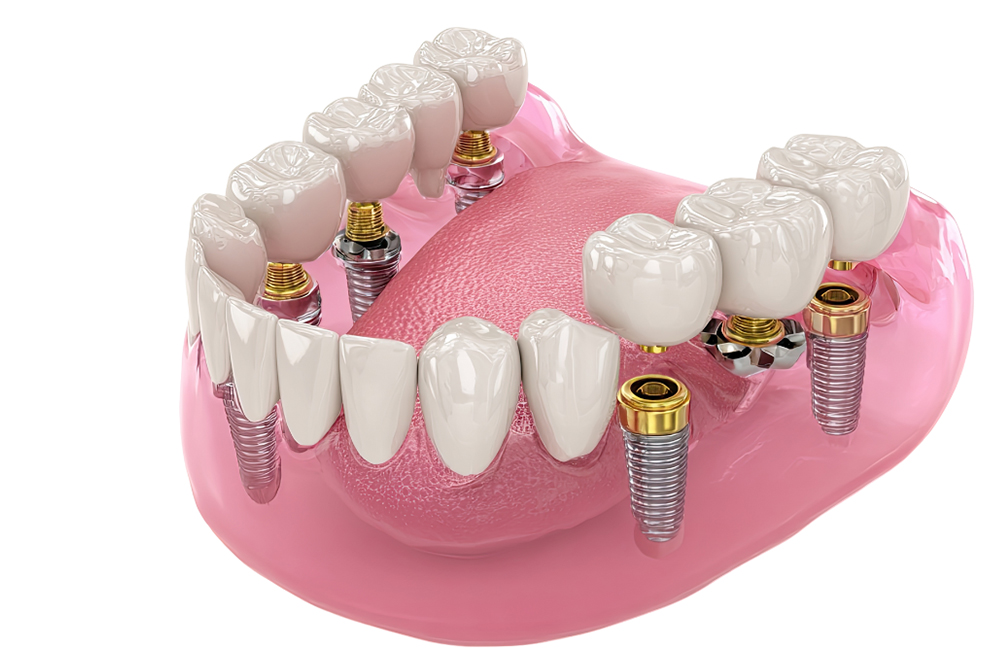
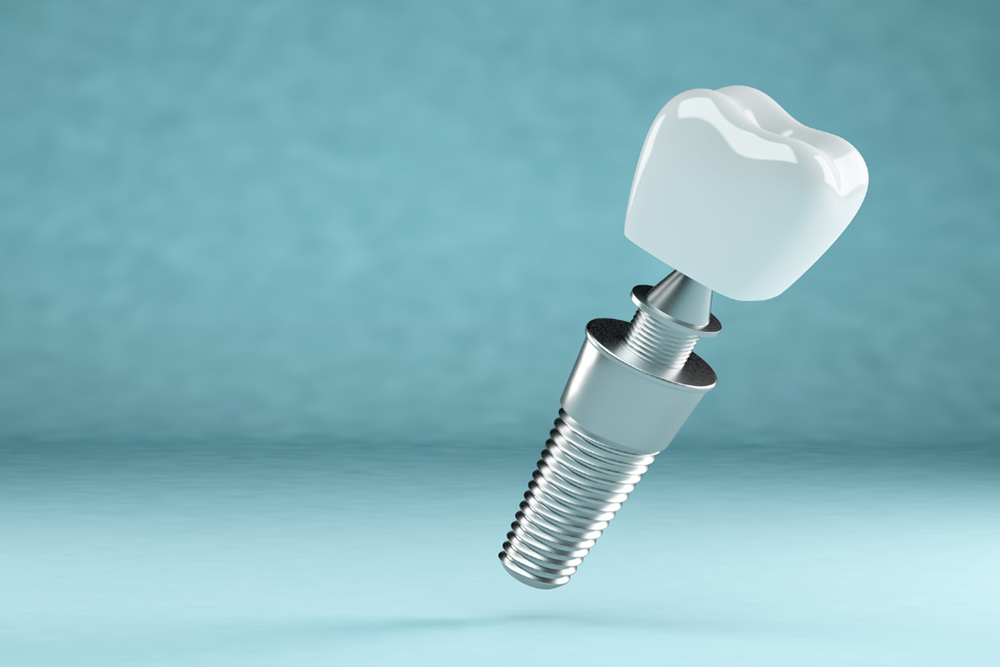
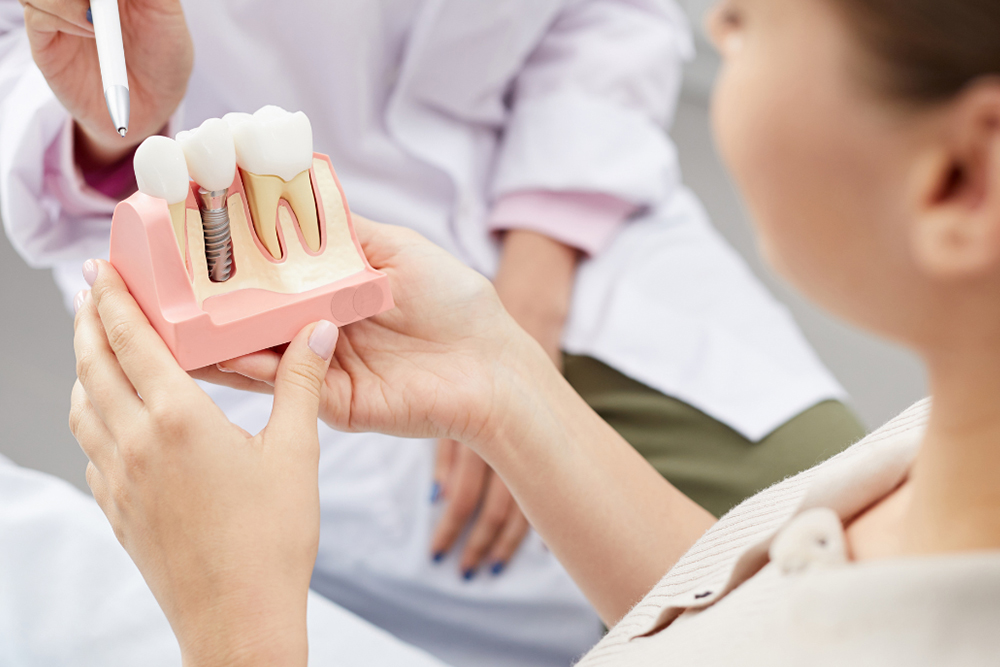
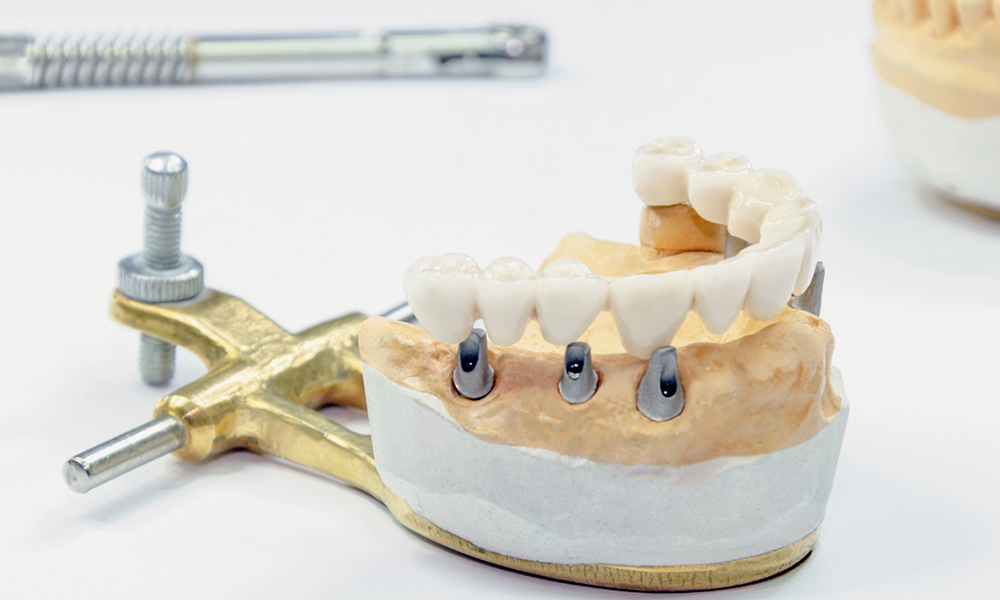
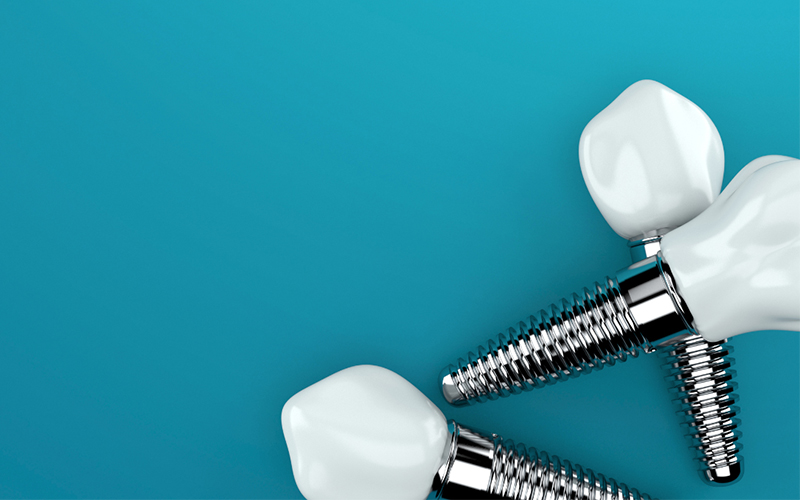
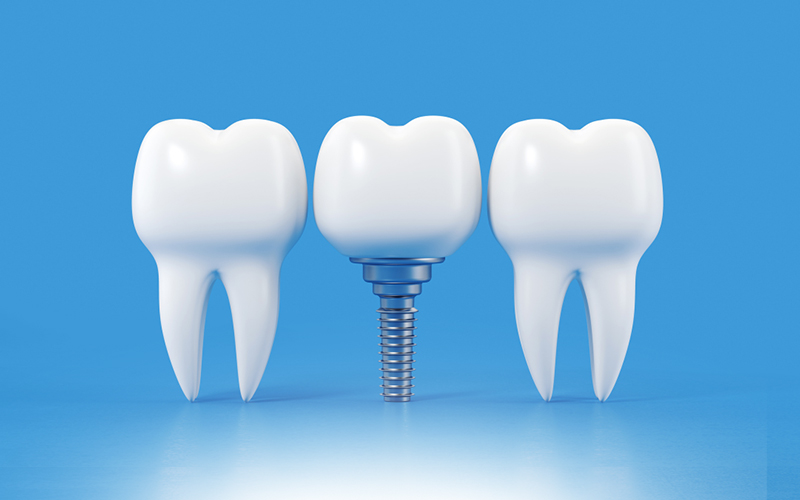
Dental implants are small titanium posts that are placed into the jawbone to act as artificial tooth roots. Once healed, they support a custom made crown that looks and functions like a natural tooth.
Unlike removable dentures or traditional bridges, implants are designed to become a permanent part of your mouth, offering unmatched stability and durability.
Why Dental Implants Are a Life Changing Solution
Patients choose dental implants in Kingston for many reasons, especially when they want a long term solution that feels natural and secure.
Dental implants offer
- A natural appearance that blends with surrounding teeth
- Strong chewing ability similar to natural teeth
- Long lasting results with proper care
- Prevention of jawbone loss caused by missing teeth
- Improved speech and comfort compared to removable options
At Greenwood Park Dentistry, we focus on restoring not just your smile, but your overall oral health and quality of life.
The Dental Implant Process at Greenwood Park Dentistry
As a trusted Dentist in Kingston, we ensure every step of the implant process is carefully planned and patient focused. Your journey typically includes
Your journey typically includes
- A detailed consultation and oral health assessment
- Digital imaging to evaluate bone structure and treatment planning
- Surgical placement of the implant into the jawbone
- A healing period allowing the implant to integrate with bone
- Placement of a custom crown for a natural looking finish
Each stage is designed to ensure comfort, precision, and long lasting success.
Restoring More Than Just Teeth
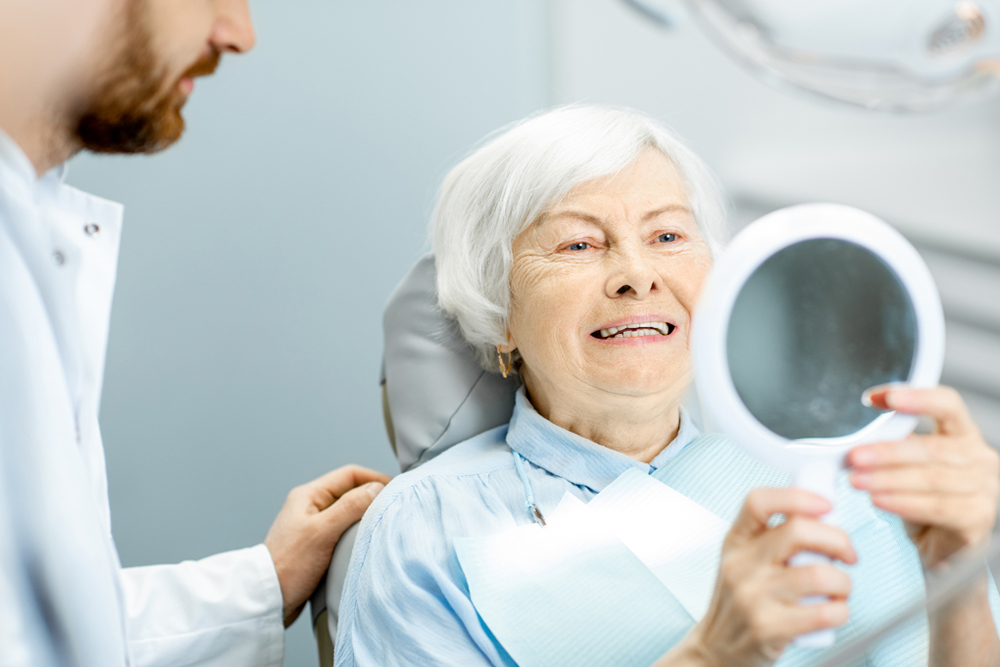
Dental implants do more than fill gaps in your smile. They help restore facial structure, prevent shifting of surrounding teeth, and support long term oral health. Many patients also report a significant boost in confidence after completing treatment.
At Greenwood Park Dentistry, we have seen how transformative dental implants can be for patients looking to reclaim their smile and quality of life.
A Trusted Dentist in Kingston for Implant Dentistry
Choosing the right provider is essential for successful implant treatment. At Greenwood Park Dentistry, we combine advanced technology with personalized care to deliver results you can trust.
Our team is committed to making the process comfortable, informative, and tailored to your unique needs.
Restore Your Smile Today
If you are missing one or more teeth, dental implants may be the ideal solution to restore your smile permanently.
Contact Greenwood Park Dentistry, your trusted Dentist in Kingston, to learn more about dental implants and how they can transform your oral health.
Call 613 546 3456 or email info@greenwoodparkdentistry.com to book your consultation today and take the first step toward a stronger, more confident smile.
Teeth in a Day for Food Lovers: Eat Your Favourites Again
March 22, 2026 / Dentistry

Foods People Miss Most Before Teeth in a Day
Food is one of life's greatest pleasures. Sharing a meal, trying a new restaurant, or cooking a favourite recipe brings joy that goes far beyond simple nutrition. When dental problems make eating painful or difficult, that joy disappears quickly. At Greenwood Park Dentistry in Kingston, we see patients every week who've spent months or even years avoiding foods they love because of missing or failing teeth. Teeth in a day treatment changes that, often faster than patients expect.
Foods People Miss Most Before Teeth in a Day:
- Steak and grilled meats
- Crusty bread and bagels
- Fresh apples and raw vegetables
- Corn on the cob
- Nuts and seeds
- Crunchy snacks
How Dental Problems Steal Your Food Freedom
Missing teeth, loose dentures, and failing teeth don't just affect appearance. They quietly reshape your entire relationship with food. Many patients don't realize how much they've changed their diet until they sit down and think about it.
Avoiding hard foods becomes habit. Cutting everything into tiny pieces feels normal. Skipping certain restaurants because the menu doesn't have soft options becomes routine. Over time, these adjustments add up to a significantly reduced quality of life.
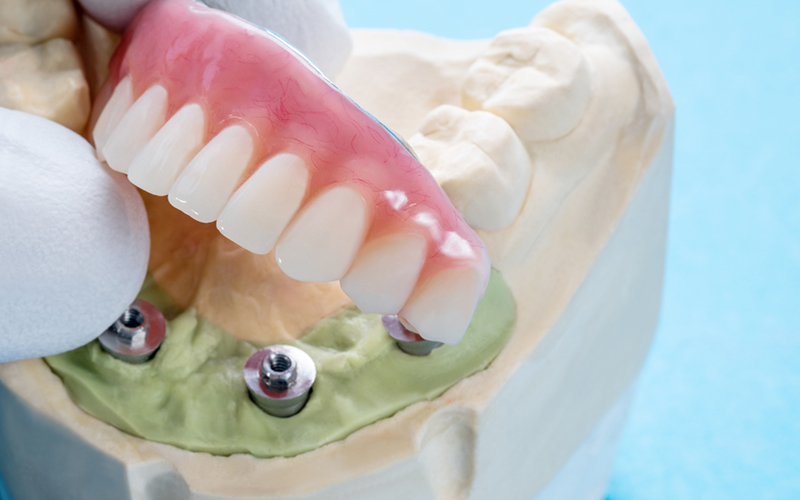
Teeth in a day treatment addresses this directly by providing a stable, functional set of teeth on the same day as your procedure.
Why Dentures Don't Solve the Food Problem
The Denture Eating Experience
Traditional dentures are often presented as a solution to tooth loss, but many patients find they create their own set of eating challenges.
Common Denture Eating Problems:
- Reduced bite force (roughly 20-25% of natural teeth)
- Food getting trapped underneath
- Dentures shifting during chewing
- Difficulty with sticky or chewy foods
- Sore spots from pressure during eating
- Avoiding social dining situations
Teeth in a day treatment provides implant-supported teeth that stay firmly in place. The bite force is dramatically better than dentures, allowing patients to eat foods that were previously impossible.
The Confidence Factor
Eating with unstable dentures creates anxiety. Many patients avoid dining out or eating with others because they worry about their teeth moving or falling out. Teeth in a day eliminates this concern completely, restoring both function and confidence at the table.
What You Can Eat After Teeth in a Day Treatment
The Eating Timeline
Teeth in a day doesn't mean eating anything immediately. There's a progression that protects your healing implants while still offering far more freedom than traditional dentures.
Week 1-2: Soft Start
- Smoothies and protein shakes
- Yogurt, pudding, and soft cheeses
- Scrambled eggs and soft omelettes
- Mashed potatoes and soft vegetables
- Soup (not too hot)
- Soft fish like salmon
This phase feels restrictive, but it's temporary and essential for proper healing.
Weeks 2-8: Building Back Up
- Tender chicken and ground meats
- Pasta and rice dishes
- Cooked vegetables
- Soft bread and sandwiches
- Ripe fruits like bananas, peaches, and melon
- Most breakfast foods
Months 3-6: Near Normal Eating
By this stage, most teeth in a day patients are eating a nearly normal diet. The implants are integrating well with the bone, and the temporary restoration is handling regular foods comfortably.
After Final Restoration: Full Food Freedom
- Steaks and grilled meats
- Raw vegetables and salads
- Crusty breads and bagels
- Most fruits including apples
- Nuts (with reasonable care)
- Restaurant meals without restrictions
At Greenwood Park Dentistry in Kingston, we guide patients through each phase of the eating timeline to ensure healing stays on track while food freedom is restored as quickly as possible.
Real Foods, Real Moments
What Food Freedom Actually Means
For many teeth in a day patients, returning to normal eating isn't just about nutrition. It's about reclaiming experiences that matter.
It means being able to say yes when friends suggest a steakhouse. It means biting into a fresh peach at a farmers market without thinking twice. It means enjoying Christmas dinner without quietly rearranging food on your plate to avoid the hard bits.
These moments sound small, but they add up to a significantly better quality of life. The Canadian Dental Association recognizes that oral health directly impacts overall wellbeing, including the ability to eat a nutritious and enjoyable diet.
Nutrition Benefits of Teeth in a Day
Beyond enjoyment, teeth in a day treatment has real nutritional benefits. Patients with poor dental function often avoid:
- Lean proteins (tough to chew)
- Raw fruits and vegetables (too hard or crunchy)
- Whole grains (chewy textures)
- Nuts and seeds (too hard)
These are some of the most nutritious foods available. Restoring the ability to eat them supports better overall health, not just a better dining experience.
Who Is a Good Candidate for Teeth in a Day?
Are You a Food Lover Who Qualifies?
Teeth in a day works best for patients who:
- Have multiple missing or failing teeth
- Are in good general health
- Have adequate jawbone density
- Want a permanent, stable solution
- Are committed to the healing process
What If You Have Bone Loss?
Some patients who've had missing teeth for a long time experience bone loss in the jaw. This can affect candidacy for teeth in a day treatment. However, bone grafting procedures can often rebuild the necessary foundation.
At Greenwood Park Dentistry, we use 3D imaging to assess your bone and determine the best approach for your specific situation.
Medical Considerations
Certain health conditions require extra evaluation before teeth in a day treatment. These include:
- Uncontrolled diabetes
- Active gum disease
- Heavy smoking
- Blood clotting disorders
We review your full medical history during consultation to ensure teeth in a day is safe and appropriate for you.
The Teeth in a Day Procedure: What to Expect
A Quick Overview
Step 1: Consultation and Planning
We use 3D imaging to map your jaw and plan precise implant placement. This step is critical for both safety and aesthetic outcomes.
Step 2: Surgery Day
Any remaining failing teeth are removed. Four titanium implants are placed strategically in the jaw. A temporary set of teeth is attached the same day.
Step 3: Healing Phase
You go home with a full set of teeth. The implants fuse with the bone over 3-6 months while you follow the eating progression outlined above.
Step 4: Final Teeth
Once healing is complete, your temporary teeth are replaced with a custom permanent set designed to match your natural appearance.
Tips for Food Lovers During Recovery
Making the Most of the Healing Phase
The temporary dietary restrictions don't have to feel like punishment. With a little creativity, you can still enjoy great food during healing.
Soft Food Ideas That Don't Feel Like a Compromise:
- Shakshuka (eggs poached in tomato sauce)
- Creamy risotto with soft vegetables
- Thai curry with tender chicken
- Slow-cooked pulled pork
- Avocado toast on soft bread
- Banana pancakes
- Smoothie bowls with soft toppings
Focus on Flavour
Soft foods can still be delicious and satisfying. Focus on bold flavours, quality ingredients, and creative preparation rather than texture during the healing phase.
Life After Teeth in a Day: A Food Lover's Perspective
Patients who've completed teeth in a day treatment consistently describe the experience of eating normally again as one of the most meaningful parts of their recovery.
The ability to bite, chew, and taste food without pain or anxiety is something most people take for granted. Teeth in a day gives that back in a way that dentures simply cannot match.
Learn more about our full range of restorative options on our homepage, where you'll find detailed information about everything we offer at Greenwood Park Dentistry. When you're ready to start your journey back to the foods you love, contact us to book your consultation with our team in Kingston.
Your favourite meals are waiting. Teeth in a day can get you back to the table.
Archive
April 22, 2026 / DENTISTRY
March 22, 2026 / DENTISTRY
March 11, 2026 / DENTISTRY
February 22, 2026 / DENTISTRY
February 10, 2026 / DENTISTRY
January 26, 2026 / DENTISTRY
January 10, 2026 / DENTISTRY
December 14, 2025 / DENTISTRY
December 5, 2025 / DENTISTRY

November 20, 2025 / DENTISTRY
November 5, 2025 / DENTISTRY
October 27, 2025 / DENTISTRY
October 8, 2025 / DENTISTRY

September 19, 2025 / DENTISTRY
August 6, 2025 / DENTISTRY
July 16, 2025 / DENTISTRY

June 12, 2025 / DENTISTRY
May 16, 2025 / DENTISTRY