


Blog
Dental Implants After Trauma: Healing More Than Your Smile
March 11, 2026 / Dentistry
Common Causes of Traumatic Tooth Loss
Losing a tooth in an accident changes things quickly. One moment everything is normal, and the next you're dealing with pain, swelling, and a gap where your tooth used to be. At Greenwood Park Dentistry in Kingston, we work with patients who've experienced traumatic tooth loss and understand that the recovery involves much more than just the physical healing. Dental implants offer a path forward that addresses both the practical and emotional sides of recovery.
Common Causes of Traumatic Tooth Loss:
- Sports injuries and collisions
- Car or cycling accidents
- Workplace incidents
- Falls and impacts
- Assault-related injuries
The Emotional Side of Losing a Tooth to Trauma
Physical injuries get a lot of attention after an accident. The emotional impact of tooth loss often gets overlooked. Many patients tell us they feel self-conscious, withdrawn, or anxious about their appearance after losing a visible tooth.
This is completely normal. Your smile is deeply connected to your identity and confidence. Dental implants help restore that sense of self, not just the tooth itself.
Why Dental Implants Are the Best Option After Trauma
Dental Implants vs. Other Options
After traumatic tooth loss, patients have several replacement options. Dental implants stand out for several important reasons:
Dental Implant Advantages:
- Look and feel like natural teeth
- Preserve jawbone structure
- Don't affect adjacent healthy teeth
- Permanent, long-term solution
- Easy to clean and maintain
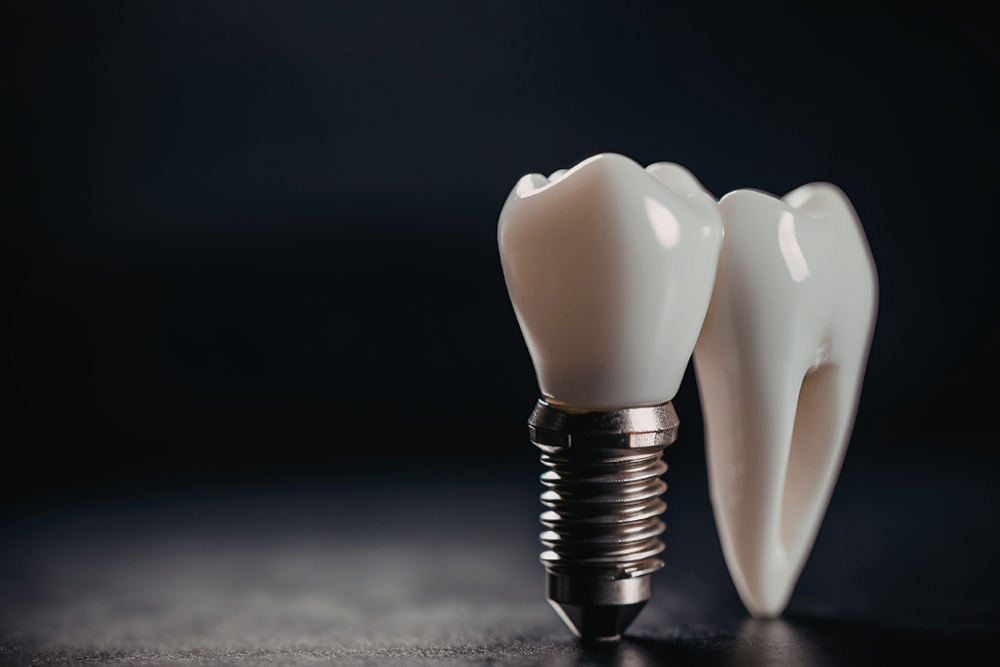
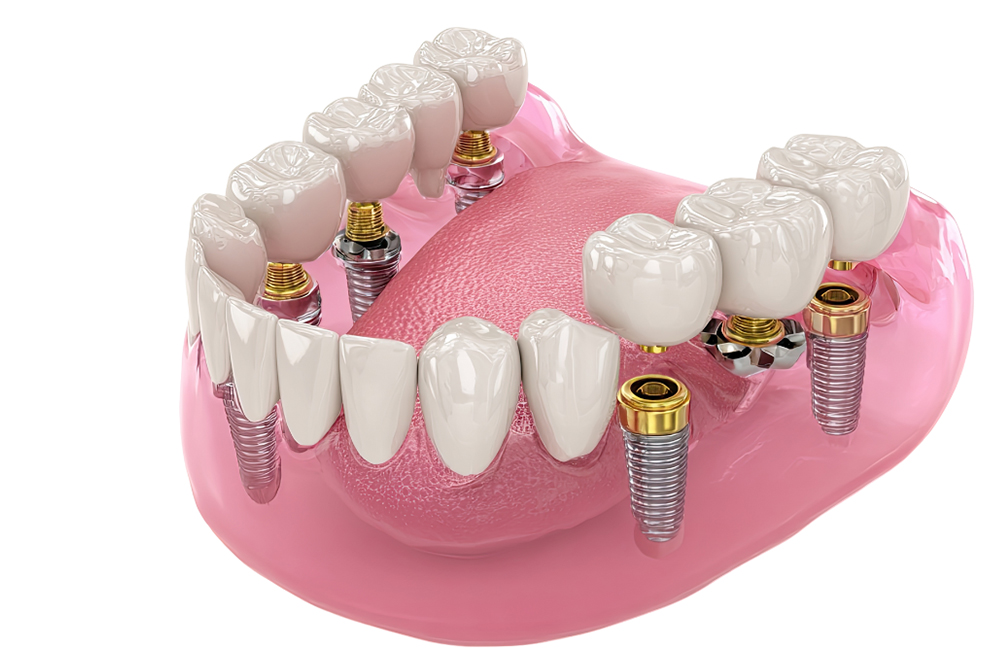
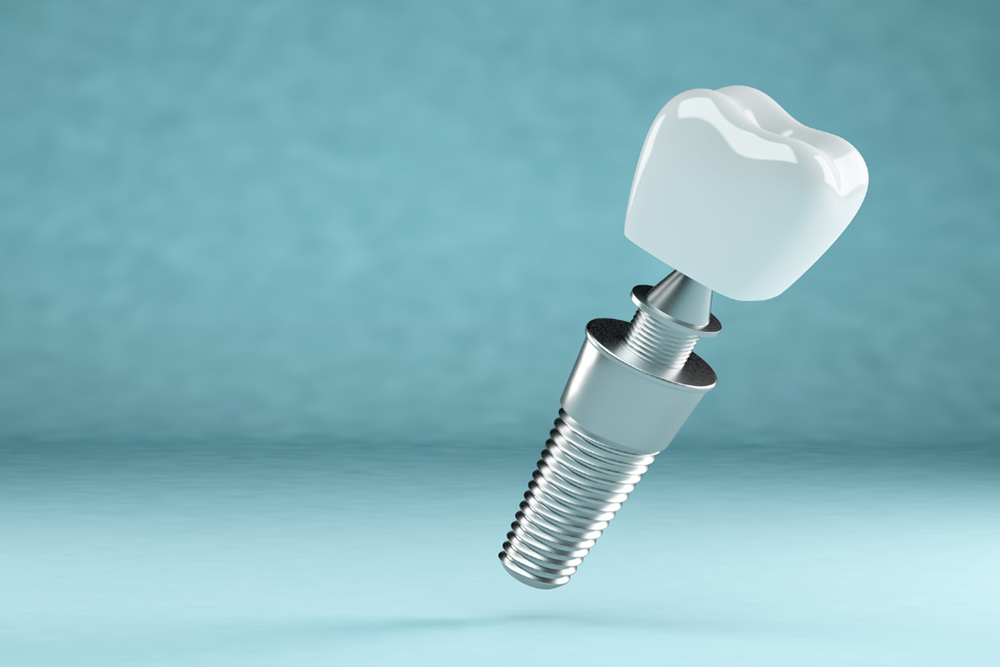
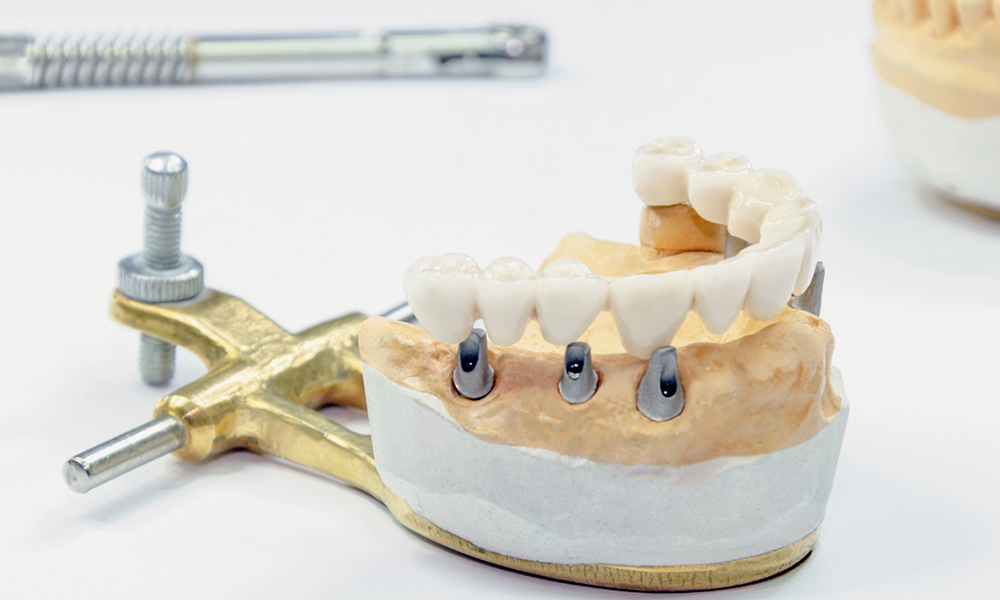
Bridges require grinding down healthy neighbouring teeth. Dentures can feel unstable and uncomfortable. Dental implants replace the tooth root and crown, creating a complete restoration that functions naturally.
Bone Preservation After Trauma
Trauma often damages the surrounding bone along with the tooth. When a tooth is lost, the jawbone begins to shrink without stimulation from a tooth root.
Dental implants are the only replacement option that stimulates the jawbone the way natural teeth do. This prevents bone loss and maintains your facial structure over time.
Timing: When Can You Get Dental Implants After Trauma?
Immediate vs. Delayed Placement
This is one of the most common questions we hear at Greenwood Park Dentistry. The answer depends on several factors.
Immediate Placement (Same Day as Extraction):
- Possible when bone and tissue are healthy
- Reduces total treatment time
- Requires adequate bone volume
- Not suitable if infection is present
Delayed Placement (2-6 Months After Trauma):
- Allows bone and tissue to heal first
- Better option when bone damage occurred
- More predictable long-term outcomes
- May require bone grafting first
In many trauma cases, waiting is the wiser choice. Rushing into dental implant placement before proper healing can compromise results.
What Happens While You Wait?
You won't have to go without a tooth during the healing period. Temporary options include:
- Removable flipper (temporary partial denture)
- Bonded temporary bridge
- Temporary crown in some cases
These solutions keep you comfortable and confident while your mouth heals and prepares for dental implants.
Bone Grafting After Traumatic Tooth Loss
Do You Need a Bone Graft?
Trauma often damages the bone around the tooth. In these cases, bone grafting may be needed before dental implants can be placed.
When Bone Grafting Is Needed:
- Significant bone loss at the trauma site
- Thin or damaged facial bone
- Infection that destroyed surrounding bone
- Multiple teeth lost in the same area
Bone grafting sounds intimidating, but it's a routine procedure. We place bone material at the site, allow it to heal for several months, and then proceed with dental implant placement.
The extra time is worth it. Proper bone support ensures your dental implants last for decades.
The Dental Implant Process After Trauma
Step-by-Step Overview
Step 1: Initial Assessment
We evaluate the trauma site using 3D imaging. This shows bone levels, nerve locations, and the overall condition of the area. We create a personalized treatment plan based on your specific situation.
Step 2: Preparatory Procedures (If Needed)
Some patients need bone grafting or gum tissue treatment before dental implants. We complete these steps first and allow proper healing time.
Step 3: Implant Placement
We place a titanium implant post into the jawbone under local anesthesia. Most patients are surprised by how comfortable the procedure is.
Step 4: Healing Period
The implant fuses with the bone over 3-6 months. During this time, you wear a temporary tooth and follow dietary guidelines.
Step 5: Final Restoration
Once healing is complete, we attach a custom crown that matches your natural teeth in color, shape, and size.
Managing Pain and Anxiety After Trauma
Dental Anxiety Is Common After Accidents
Many accident victims develop anxiety about dental treatment after their experience. This is understandable and something we take seriously at our Kingston practice.
How We Help Anxious Patients:
- Take extra time to explain each step
- Offer sedation options for comfort
- Move at your pace
- Answer all questions honestly
- Create a calm, supportive environment
Sedation dentistry allows anxious patients to receive dental implant treatment comfortably. Nitrous oxide (laughing gas) and oral sedation are both available options.
Pain Management During Recovery
Most patients find dental implant recovery more manageable than expected. Typical post-operative experience includes:
- Mild to moderate discomfort for 3-5 days
- Swelling that peaks around day 2-3
- Over-the-counter pain medication usually sufficient
- Significant improvement by end of first week
We provide detailed aftercare instructions and are always available if you have concerns during recovery.
Insurance and Coverage for Trauma-Related Dental Implants
Can Insurance Help Cover Costs?
Traumatic tooth loss often involves insurance considerations. Depending on how the injury occurred, coverage may come from:
Potential Coverage Sources:
- Dental insurance (partial coverage in many plans)
- Extended health benefits
- Auto insurance (if vehicle accident)
- Workplace insurance (if work-related injury)
- Personal injury claims
We recommend contacting your insurance provider early to understand your coverage. Our team can help with documentation and insurance coordination.
Is the Investment Worth It?
Dental implants cost more upfront than other options. Over a lifetime, they often prove more cost-effective because they rarely need replacement and don't damage adjacent teeth.
The quality of life improvement is significant. Eating comfortably, speaking clearly, and smiling confidently are things most people take for granted until they're gone.
Caring for Dental Implants After Trauma Recovery
Long-Term Maintenance
Once your dental implants are in place and healed, caring for them is straightforward:
- Brush twice daily with a soft-bristled brush
- Floss daily around the implant
- Use non-abrasive toothpaste
- Attend regular dental check-ups
- Wear a mouthguard for sports (to prevent future trauma)
Protecting Your Investment
If the original injury happened during sports or physical activity, a custom mouthguard is essential going forward. This protects both your natural teeth and your dental implants from future trauma.
You Don't Have to Navigate This Alone
Recovering from traumatic tooth loss takes time, patience, and the right support. The physical healing is just one part of the journey. Restoring your smile with dental implants helps close the chapter on the trauma and move forward with confidence.
At Greenwood Park Dentistry, we've helped many Kingston patients rebuild their smiles after accidents and injuries. We understand the unique challenges trauma patients face and provide compassionate, personalized care throughout the process.
Learn more about our approach to restorative dentistry on our homepage, where you'll find information about all the services we offer. When you're ready to take the next step, contact us to book a consultation and start your journey toward a fully restored smile.
You deserve to smile without hesitation again. Dental implants make that possible.
Archive

March 22, 2026 / DENTISTRY
March 11, 2026 / DENTISTRY
February 22, 2026 / DENTISTRY
February 10, 2026 / DENTISTRY
January 26, 2026 / DENTISTRY
January 10, 2026 / DENTISTRY
December 14, 2025 / DENTISTRY
December 5, 2025 / DENTISTRY
November 20, 2025 / DENTISTRY
November 5, 2025 / DENTISTRY
October 27, 2025 / DENTISTRY
October 8, 2025 / DENTISTRY

September 19, 2025 / DENTISTRY
August 6, 2025 / DENTISTRY
July 16, 2025 / DENTISTRY
June 12, 2025 / DENTISTRY
May 16, 2025 / DENTISTRY