


Blog
All on X Upper vs. Lower: Why Jaw Location Matters
January 26, 2026 / Dentistry
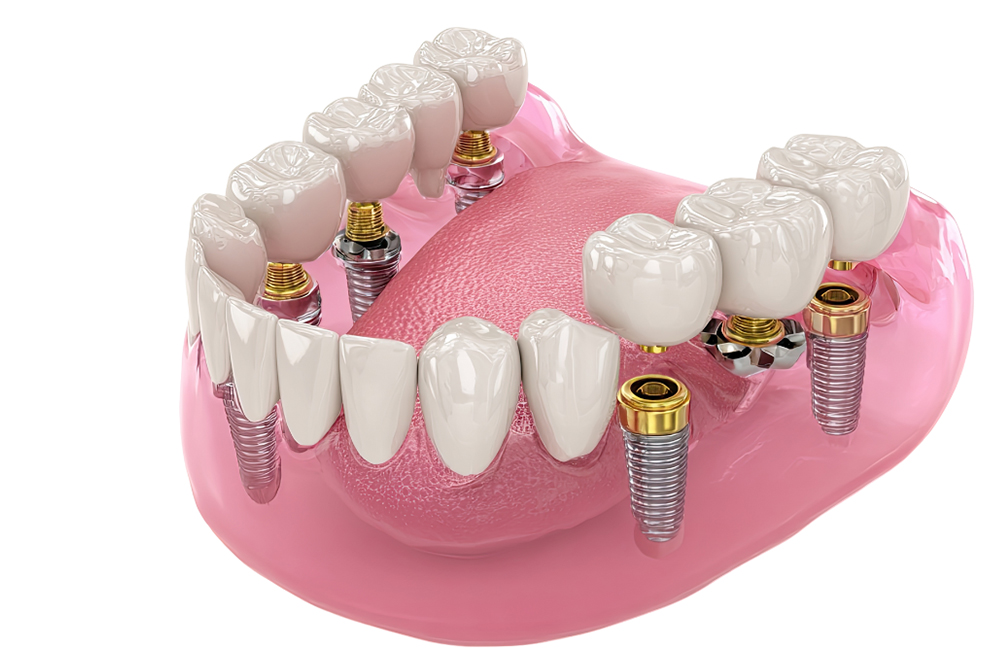
Planning All on X treatment requires understanding the significant differences between upper and lower jaws. At Greenwood Park Dentistry in Kingston, we carefully evaluate jaw-specific factors when designing All on X treatment plans. The anatomical differences between upper and lower jaws directly impact surgical approach, implant placement, and long-term success of All on X restorations.
Key Differences:
- Upper jaw: Less dense bone, sinus considerations
- Lower jaw: Denser bone, nerve proximity concerns
- Success rates: Upper 95-97%, Lower 97-99% (Clinical Oral Implants Research, 2023)
- Healing time: Similar for both (3-6 months)
Why Jaw Location Affects All on X Treatment
Upper and lower jaws have completely different bone structures, densities, and anatomical challenges. These differences require customized approaches for All on X treatment in each location. Understanding these variations helps patients know what to expect based on which jaw needs restoration.
Upper Jaw Anatomy and All on X Considerations
Bone Density Challenges in Upper All on X
The upper jaw (maxilla) typically has softer, less dense bone compared to the lower jaw. This affects how All on X implants integrate and the techniques used for placement.
- Type 3 or 4 bone density (softer)
- More porous bone structure
- Thinner cortical bone layer
- Requires longer healing in some cases
Research from the International Journal of Oral & Maxillofacial Implants (2022) shows upper jaw bone density averages 30-40% less than lower jaw. This impacts initial implant stability in All on X cases.
Sinus Proximity in Upper All on X
The maxillary sinuses present unique challenges for upper All on X treatment. These air-filled spaces sit directly above the upper back teeth area.
- Sinuses may extend into implant placement areas
- Sinus lifts sometimes needed before All on X
- Angled implants often used to avoid sinuses
- Requires careful 3D planning
At Greenwood Park Dentistry in Kingston, we use advanced imaging to map sinus locations precisely before upper All on X treatment.
Aesthetic Demands for Upper All on X
Upper teeth show more when smiling, making aesthetics crucial for upper All on X restorations. The gum line visibility requires careful attention to tissue management.
- Visible when smiling and speaking
- Gum line symmetry critical
- Tooth length and proportions important
- Pink porcelain sometimes needed
Lower Jaw Anatomy and All on X Considerations
Bone Density Advantages in Lower All on X
The lower jaw (mandible) offers denser, stronger bone for All on X implant placement. This typically results in excellent initial stability and predictable outcomes.
- Type 1 or 2 bone density (harder)
- Thicker cortical bone
- Better initial implant stability
- Often faster osseointegration
The denser bone in lower All on X cases allows for more predictable immediate loading protocols.
Nerve Location in Lower All on X
The inferior alveolar nerve runs through the lower jaw, requiring careful planning for lower All on X treatment. This nerve provides sensation to the lower lip and chin.
- Nerve damage risk if implants placed too deep
- Requires precise measurement and planning
- 3D imaging essential for safety
- Angled implants often used for safety margin
At Greenwood Park Dentistry, we maintain a minimum 2mm safety zone above the nerve during lower All on X procedures.
Tongue Space in Lower All on X
Lower All on X restorations must account for tongue position and movement. The restoration profile affects speech and comfort.
- Cannot be too bulky on tongue side
- Must allow natural tongue movement
- Speech considerations important
- Comfort during swallowing
Implant Placement Differences for All on X
Upper All on X Implant Positioning
Upper All on X typically uses specific angulation patterns to avoid sinuses and maximize bone contact.
- Front implants placed vertically
- Back implants angled up to 45 degrees
- May use zygomatic implants in severe cases
- Palatal bone sometimes utilized
Lower All on X Implant Positioning
Lower All on X placement focuses on avoiding the nerve while maximizing bone engagement.
- More vertical implant placement possible
- Back implants angled to avoid nerve
- Can use shorter implants safely
- Dense bone allows excellent stability
Success Rates: Upper vs. Lower All on X
Comparative Outcomes
Research shows slightly different success rates between upper and lower All on X treatments. The International Journal of Oral Implantology (2023) reports 5-year success rates of 95-97% for upper and 97-99% for lower All on X restorations.
- Denser bone provides better stability
- Fewer anatomical complications
- Less complex surgical requirements
- More predictable healing patterns
Healing Differences in All on X Treatment
Upper Jaw Healing Considerations
Upper All on X healing may take slightly longer due to softer bone density. However, modern techniques have minimized these differences.
- May require 4-6 months for full integration
- Sinus health affects healing
- Immediate loading still possible in many cases
- Careful monitoring during osseointegration
Lower Jaw Healing Considerations
Lower All on X typically shows faster initial healing due to denser bone and better blood supply.
- Often ready for loading in 3-4 months
- More predictable healing timeline
- Excellent initial stability
- Lower complication rates
Cost Differences for Upper vs. Lower All on X
Does Jaw Location Affect All on X Cost?
Upper All on X treatment sometimes costs more due to additional complexity and potential need for sinus procedures.
- Possible sinus lift procedures
- More complex surgical planning
- Additional imaging requirements
- Aesthetic demands
- Typically more straightforward surgery
- Fewer additional procedures needed
- Less complex planning
At Greenwood Park Dentistry in Kingston, we provide detailed cost breakdowns specific to your jaw and situation during your All on X consultation.
Which Jaw Should You Treat First?
Treating Both Jaws with All on X
Some patients need All on X treatment for both upper and lower jaws. The question becomes which to treat first.
- Upper often done first for aesthetic reasons
- Lower provides stable chewing surface
- Some patients do both simultaneously
- Individual factors guide decision
Simultaneous Upper and Lower All on X
Treating both jaws at once is possible in select cases. This approach requires careful patient selection and extended surgery time.
- Single recovery period
- Immediate balanced bite
- Fewer total appointments
- Faster overall completion
- More extensive surgery
- Longer procedure time
- Dietary restrictions more significant
- Requires excellent overall health
Planning Your All on X Treatment
At Greenwood Park Dentistry in Kingston, we use comprehensive evaluation to determine the best approach for your specific jaw anatomy.
- 3D CBCT imaging of jaw structure
- Bone density assessment
- Nerve and sinus mapping
- Bite relationship analysis
- Aesthetic evaluation
- Which jaw needs treatment?
- What anatomical challenges exist?
- Is immediate loading possible?
- What's the expected timeline?
- Are additional procedures needed?
Making Informed Decisions About All on X
Understanding the differences between upper and lower All on X treatment helps you have realistic expectations. Both locations offer excellent outcomes when properly planned. The key is working with an experienced team that understands jaw-specific considerations.
Contact Greenwood Park Dentistry at 613-546-3456 to discuss your specific situation and learn which All on X approach is right for you. Whether you need upper, lower, or both jaws restored, All on X treatment can transform your smile and quality of life with proper planning and execution. For personalized treatment recommendations, contact us today.
Archive
February 22, 2026 / DENTISTRY
February 10, 2026 / DENTISTRY
January 26, 2026 / DENTISTRY
January 10, 2026 / DENTISTRY
December 14, 2025 / DENTISTRY
December 5, 2025 / DENTISTRY

November 20, 2025 / DENTISTRY
November 5, 2025 / DENTISTRY

October 27, 2025 / DENTISTRY

October 8, 2025 / DENTISTRY

September 19, 2025 / DENTISTRY
August 6, 2025 / DENTISTRY
July 16, 2025 / DENTISTRY

June 12, 2025 / DENTISTRY
May 16, 2025 / DENTISTRY